What to Do When You're Locked Out of Your Car
Stay calm and assess the situation
Being locked out of your car is frustrating, especially if you are in a hurry or in an unfamiliar area. The first thing to do is take a breath and check your surroundings. Are you in a safe spot? If you are on a busy road or in a parking lot at night, move to a well-lit area if possible. Once you are secure, you can start working through a quick mental checklist. Many drivers panic and try to force the door or window, which can damage the lock or the glass. A calm approach saves time and money.
Check if you have a spare key or a remote
Before you call anyone, think about whether you have a spare key somewhere. Some drivers keep a magnetic key box under the chassis or inside a wheel well. Others have a spare at home or with a family member who can bring it to you. If you have a key fob with a remote battery, the battery might be dead. Try pressing the unlock button a few times; if nothing happens, the fob may need a new battery. In many newer cars, the fob communicates with a transponder chip in the ignition system. If the fob is unresponsive, the car may still unlock if you hold the fob near the sensor, but this varies by make and model. Check your owner's manual if you have it handy.
Look for an alternate entry point
Sometimes you can get back into the car without a key. If another door is unlocked, try it. If you have a trunk release button inside the car, you might be able to reach it through the back seat if the seats fold down. Some cars have a physical key slot on the trunk or the glove box that can be turned with a key blade. But do not waste time trying to pry open the door or window yourself. That can break the seal or the glass, and the repair cost will be higher than calling for help.
Call a professional car lockout service
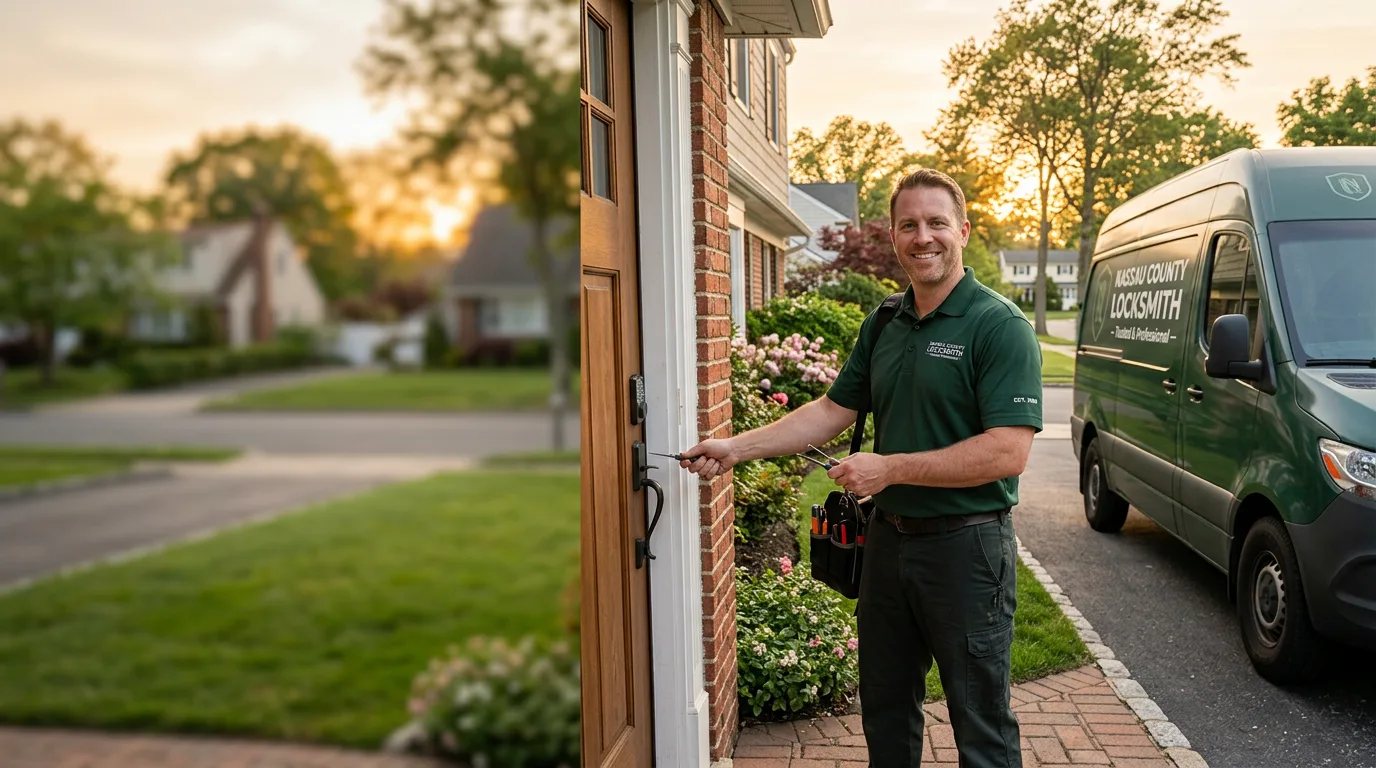
If you cannot get in on your own, the next step is to contact a reliable car lockout service. These providers are trained to open your vehicle without damaging the lock or the door. They carry tools such as slim jims, wedges, and long-reach tools that slide between the window and the frame. A good technician can often open the door in under ten minutes. When you call, be ready to describe your car's make, model, and year. Some cars have electronic locks that require a specific approach, especially those with transponder chips or keyless entry systems. The technician may also ask for your vehicle identification number (VIN) to verify ownership. Having your ID and registration ready speeds up the process.
Confirm proof of ownership
Before a locksmith works on your car, they will ask for proof that you are the owner. This is a standard safety step to prevent theft. You will need to show your driver's license and either the vehicle registration or the title. If the car is registered to someone else, the technician may need verbal permission from that person. If you cannot provide proof, the service may be delayed or refused. Keep a copy of your registration in your wallet or on your phone, not just in the glove box where you cannot reach it.
Consider an on site vehicle key service
If your key is lost or broken off in the lock, a standard unlock might not be enough. Many mobile locksmiths offer an on site vehicle key service, where they can cut and program a new key right where you are parked. This is especially useful if the key has a transponder chip or a key fob that needs programming. The technician uses specialized equipment to read the chip and sync it with your car's ignition system. They can also cut a new key blade from the lock cylinder if necessary. An on site vehicle key service saves you the trouble of towing your car to a dealership and waiting hours for a replacement. Just be sure to confirm that the service covers your make and model before they arrive.
Check your remote battery and backup options
If your key fob stopped working, the remote battery might be the culprit. A dead battery is a common reason for lockouts, and it is an easy fix once you are inside. Many fobs have a small screw or clip that lets you replace the battery yourself. Keep a spare battery in your wallet or glove box for emergencies. Some cars have a hidden physical key slot inside the door handle or under a cover. Knowing where yours is can save you a call. Also, some manufacturers provide a backup code or a physical key that works even if the fob fails. Check your owner's manual for these details.
Prevent future lockouts
Once you are back in your car, think about what caused the lockout. Did you leave the keys on the seat? Did the fob battery die? A few small habits can prevent a repeat. Always keep a spare key in your wallet or with a trusted person. Replace the fob battery every year or two, or when you notice the range getting shorter. If you have an older car, consider having a locksmith make a duplicate key that works on the door lock and the ignition. For cars with electronic locks, ask about a backup physical key. Also, note the location of a reliable car lockout service in your area and save their number in your phone. That way, if you are stranded again, you can call quickly instead of searching.
Understand the role of transponder chips and programming
Modern cars often use transponder chips embedded in the key or fob. These chips communicate with the car's computer to allow the ignition to turn. If you lose your only key, replacing it is not as simple as cutting a new blade. The chip must be programmed to match your car's system. A mobile locksmith with an on site vehicle key service can handle this programming on the spot. They bring a programmer that reads the chip data and writes it to a new key. This is faster and cheaper than going to a dealership, and you do not have to tow the car. Just make sure the locksmith you call has experience with your car's brand. Some makes, like luxury or high-end models, require special equipment or codes that only a dealer can provide. In those cases, the locksmith can still unlock the door so you can retrieve your owner's manual or any documentation you need.
Keep your VIN handy
Your vehicle identification number is crucial for any key replacement or programming. It tells the locksmith the exact specifications of your lock and chip. You can find the VIN on your insurance card, registration, or on a plate inside the driver's side door jamb. When you call a service, read the VIN clearly so they can bring the right equipment. This small step can save ten or fifteen minutes of back-and-forth.
Final checks before you drive away
Once you are back inside, do not just start the engine and go. Test all the locks and the key fob to make sure everything works. If the locksmith replaced a key or reprogrammed a fob, test the door lock, the trunk, and the ignition. If anything feels off, ask the technician to adjust it before they leave. Also, check that all windows are closed and that you have not left anything behind. A quick walk-around prevents another lockout later that day.